
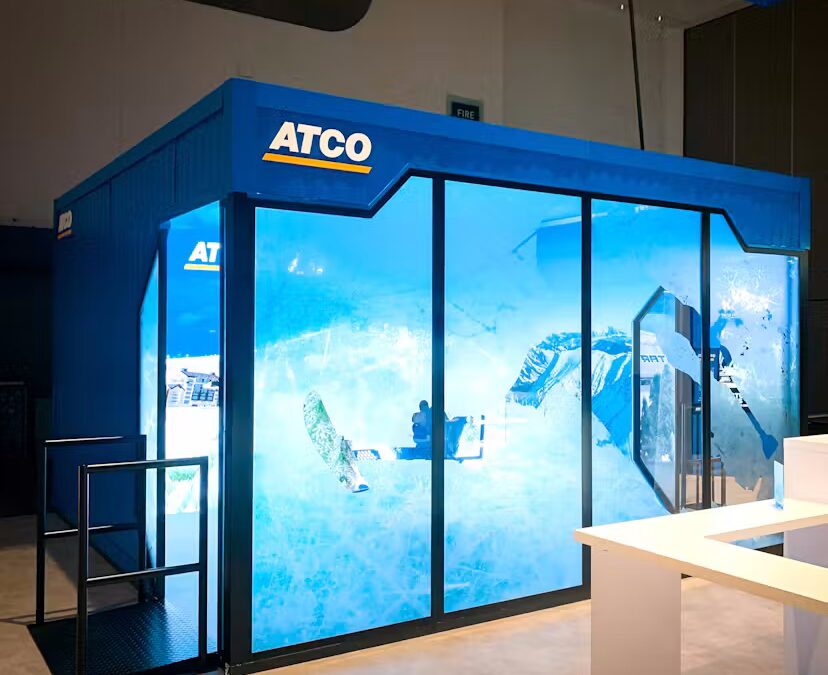
Custom Booth Design & Build
A Trade Show Booth That Works—Without the DIY Headaches
See why a professionally designed and built exhibit can save your team from costly mistakes, last-minute logistics, and a booth that falls short on show day.
Built to Attract
Purposeful layouts, lighting, and graphics turn passing traffic into meaningful conversations.
Ready for Show Day
Coordinated production, shipping, and installation keep the details from derailing your debut.
Beyond the Display
A Successful Exhibit Takes More Than Assembly
Custom trade show booth design and build services bring strategy, creative design, fabrication, and on-site execution together. Every element—from sightlines and product placement to lighting and storage—should support your goals while meeting venue rules and fitting your footprint. An experienced partner plans those details as one connected project, so the finished space looks polished and works for both visitors and staff.
Managing a booth yourself can seem less expensive until the hidden work adds up. Your team may need to source materials, prepare print-ready graphics, confirm electrical and labor requirements, book freight, meet advance-warehouse deadlines, and troubleshoot installation on a crowded show floor. A missed measurement, damaged shipment, or overlooked venue rule can trigger rush fees and compromises when there is little time left to recover. Professional support helps surface those risks early instead of leaving your team to solve them on show day.
Professional Booth Partner vs. Doing It Yourself
Professional Design & Build Company
Cost: Planned budget with fewer surprise expenses
Expertise: Specialists guide design and technical decisions
Logistics: Freight, deadlines, and installation coordinated
Quality: Cohesive finishes built for a polished presentation
Risk: Issues identified early with experienced support
Do-It-Yourself Booth Project
Cost: Lower initial spend can grow through rework and rush fees
Expertise: Your team must learn design and venue requirements
Logistics: Shipping, forms, vendors, and setup fall on your staff
Quality: Inconsistent materials or fit can weaken the impression
Risk: Mistakes may surface when time and options are limited
Where DIY Trade Show Booths Go Wrong
- Underestimated fabrication and labor costs
- Unexpected electrical and rigging fees
- Graphics that miss print specifications
- Layouts that obstruct visitor flow
- Displays that fail to fit the space
- Materials that cannot withstand repeated use
- Late artwork approvals delay production
- Unbooked freight misses delivery windows
- Height limits derail the booth design
- Fire codes require last-minute changes
- Missing permits hold up installation
- Unfamiliar crews extend setup time
- Crates arrive damaged or incomplete
- Storage costs surface after the show
- Loose parts disappear between events
- No spare graphics for onsite repairs
- No contingency for delayed shipments
- Teardown deadlines trigger overtime charges
Built for the Show Floor
What a Trade Show Booth Partner Handles
Strategic Planning
Align booth goals, budget, space requirements, and venue rules before design work begins.
Custom Exhibit Design
Create a visitor-friendly layout and cohesive graphics tailored to your brand and footprint.
Precision Fabrication
Build durable exhibit components with materials and finishes suited to repeated transport and use.
Dedicated Project Management
Coordinate approvals, vendors, production milestones, and deadlines through one accountable team.
Freight and Storage
Plan shipping, track crates, manage delivery windows, and store your booth between shows.
Installation and Dismantling
Handle onsite assembly, final checks, safe teardown, and packing after the event.
From First Brief to Final Teardown
Step 1
Step 2
Step 3
The Costs of Getting a Booth Wrong
- Typical share of a U.S. trade show budget spent on exhibit space, according to CEIR—before design, freight, labor, or surprise fees. 39%
- Percent of scheduled show hours a booth loses when installation finishes after the doors open; missed conversations cannot be recovered. 100%
- Typical deadline, in hours before opening, for a booth to be show-ready at many venues; confirm your event’s exact move-in rules. 48%
%
Plan for deadlines, venue rules, and visitor flow—not just the build.
Frequently Asked Questions About Custom Booths
Clear answers to the budget, schedule, and logistics questions that can make or break an exhibit plan.
How much does a custom trade show booth cost?
Costs depend on size, materials, graphics, technology, and whether the structure will be reused. Request an itemized estimate covering design, fabrication, freight, installation, dismantling, and show services so a lower build price does not hide a higher total cost.
How early should we start a custom booth project?
Start planning at least three to six months before the show; large or technically complex exhibits may need longer. Early approval leaves time for design, venue submissions, fabrication, shipping, and a pre-show quality check.
Can we request design revisions before production?
Yes. Review the layout, renderings, materials, graphics, and visitor flow before signing off on fabrication. Agree on the number of revision rounds and approval deadlines up front, since late changes can add cost or delay delivery.
Who handles venue rules and required approvals?
An experienced booth partner can review height limits, fire-safety rules, accessibility, rigging restrictions, and drawing requirements, then prepare the relevant submissions. The exhibitor should still confirm show-specific deadlines and any approvals that must be filed under its account.
How do shipping, installation, and storage work?
A full-service provider can coordinate packing, freight, material handling, installation, dismantling, and storage between events. Ask who is responsible for each handoff, how damage is documented, and which services the venue requires you to purchase directly.
What does our team still need to handle?
Your team should set goals and budget, approve designs and copy, provide brand assets and product details, book exhibit space, and staff the booth. You may also need to order exhibitor services such as power, internet, cleaning, and lead retrieval, even when your booth partner helps coordinate them.