
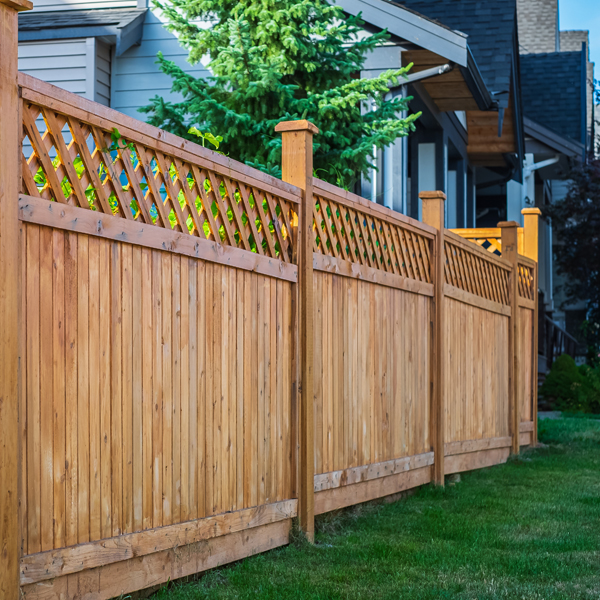
Find a Fence Contractor Who Gets Wood and Chain-Link Right
Learn how to compare bids, verify credentials, and spot warning signs before hiring a pro to build a fence that lasts.
Two Materials, One Skilled Crew
Look for proven experience with wood framing and chain-link posts, mesh, and gates.
Confidence Before You Sign
Check references, insurance, permits, and written estimates before committing.

The Right Hire Makes the Difference
A qualified fence contractor plans for property lines, soil conditions, drainage, and local codes before installation begins, then uses the right methods for each material. Wood fencing needs sound post placement, durable lumber, and careful alignment; chain-link fencing calls for properly tensioned fabric, sturdy framework, and secure gates. A professional experienced in both can explain these choices clearly, price each option accurately, and deliver a fence built for your yard rather than a one-size-fits-all job.
What to Verify Before Hiring
Ask for documentation and examples of completed work, not just a low price. A reliable contractor should be able to explain how they handle both fence types on properties like yours.
Licensing and Insurance You Can Confirm
Wood and Chain-Link Work You Can Inspect
Local Code and Property-Line Knowledge
What to Check for Each Fence Type
Planning
Wood: confirm privacy, style, and property lines
Chain-link: confirm height, gate locations, and visibility
Both: verify permits, utilities, and HOA rules
Materials
Wood: specify species, treatment, and fasteners
Chain-link: specify mesh gauge, coating, and framework
Both: ask for itemized material grades and warranties
Installation
Wood: check post spacing, alignment, and ground clearance
Chain-link: check fabric tension and secure fittings
Both: confirm post depth, concrete, and gate operation
Maintenance
Wood: budget for cleaning, staining, and repairs
Chain-link: inspect for rust, loose ties, and sagging
Both: ask what the workmanship warranty covers
How to Choose a Fence Contractor
Step 1
Research local installers with documented wood and chain-link projects. Check licensing and insurance requirements, read recent reviews, and shortlist contractors willing to visit the site.
Step 2
Request written estimates using the same fence dimensions and specifications. Compare materials, post installation, gates, permits, cleanup, timelines, and payment schedules; then call recent references for each fence type.
Step 3
Review the proposed contract for exact materials, scope, change orders, warranty terms, and final payment conditions. Choose the contractor whose verified experience and clear answers best match your project—not just the lowest bid.
Warning Signs Before You Sign
- Estimates omit fence length or height
- Materials are described only as “standard”
- Post depth and spacing are left unspecified
- Gate hardware is missing from the quote
- Cleanup or old-fence removal is unclear
- Verbal promises never appear in writing
- They push you to sign immediately
- Answers change between calls
- Site visits are repeatedly postponed
- Recent references cannot be provided
- Questions about wood or chain-link methods are brushed off
- Warranty details are vague or inconsistent
- Required licenses cannot be verified
- Proof of liability insurance is unavailable
- Permit responsibility is dismissed
- A large cash deposit is demanded upfront
- Payment is requested to an unrelated person
- Final payment is due before inspection
What a Fence Quote and Contract Should Cover
Before you sign, make sure the written quote and contract spell out the work, costs, responsibilities, and protections that matter most.
1
Confirm Measurements and Boundaries
Ask for a site plan showing fence length, height, gate locations, and the proposed fence line. Confirm who will identify property boundaries and whether a survey is needed before work begins.
2
Specify Materials and Installation
Require itemized details for wood or chain-link materials, post depth, hardware, gates, finishes, and removal of any old fence. Compare bids against the same specifications, not price alone.
3
Assign Permits and Set the Schedule
Put in writing who obtains permits, checks local rules, and arranges utility marking. The contract should include an expected start date, estimated duration, and how delays will be communicated.
4
Review Payments and Warranty Terms
Agree on the total price, deposit, payment milestones, and how changes will be approved. Get the workmanship and material warranty terms in writing, including what is covered and for how long.
Fence Contractor Questions, Answered
Use these answers to compare local installers and spot missing details before committing to a wood or chain-link fence.
How should I compare fence contractor bids?
Ask each contractor to quote the same fence height, length, materials, gates, and site work. Review itemized costs, exclusions, payment terms, and warranty coverage; the lowest bid may leave out essential work.
What credentials should I verify before hiring?
Check any license required in your area and request proof of current liability insurance and workers’ compensation coverage where applicable. Confirm the business name on those documents matches the contractor you plan to hire.
What should I ask a contractor’s references?
Ask recent customers whether the crew followed the agreed specifications, kept the site tidy, finished near the expected date, and addressed problems promptly. If possible, view a completed wood or chain-link fence similar to yours.
Who is responsible for fence permits?
Permit requirements vary by location, fence height, and property type. Your written contract should say who checks the rules, obtains any required permits, and schedules inspections before installation starts.
How long does fence installation usually take?
The timeline depends on fence length, terrain, weather, material availability, and permit approvals. Ask for an estimated start date and work duration, along with a plan for notifying you about delays.
What should a fence warranty include?
Get separate details for workmanship and manufacturer material warranties. Check the coverage period, exclusions, claim process, and whether repairs include labor as well as replacement parts.