
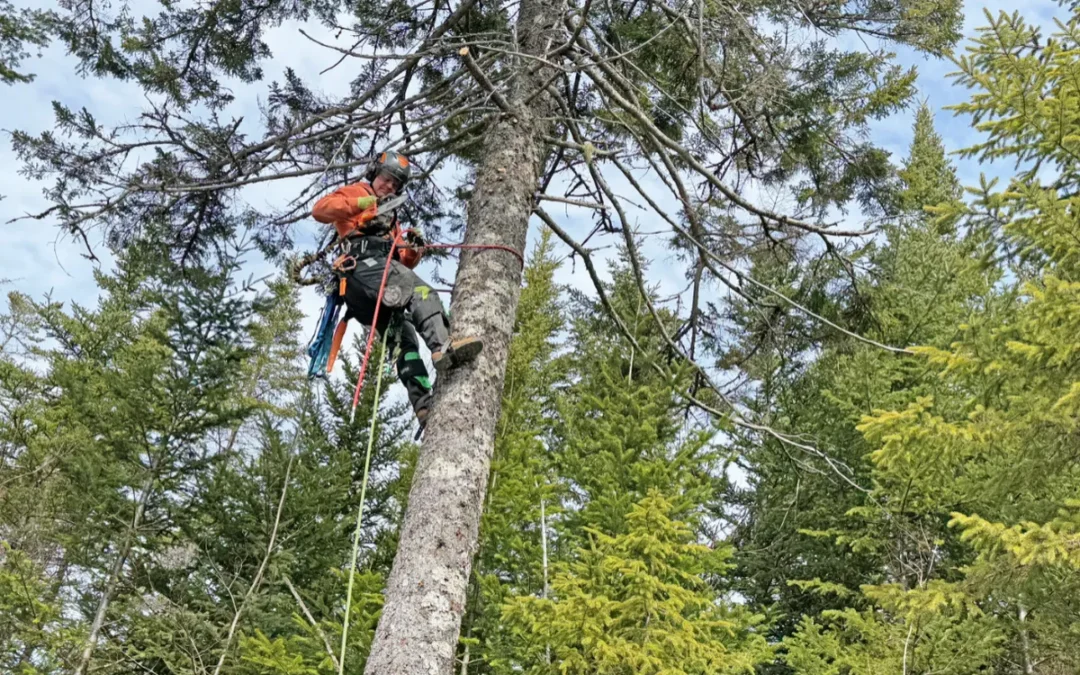
A practical guide to safer, healthier trees
How to Find a Good Arborist—and Know What Your Trees Need
Learn what qualified arborists do, how to assess their credentials, and when removal, pruning, or stump grinding is the right choice for your property.

What Is an Arborist?
An arborist is a tree-care professional trained to evaluate, maintain, and manage trees. Rather than treating every problem with a chainsaw, a knowledgeable arborist considers the tree’s species, structure, growing conditions, and signs of disease before recommending a plan.
Expertise That Protects Tree Health
Arborists can identify weak branches, pest damage, and root-zone stress that may be easy to miss. Their recommendations can include selective pruning, improved care around the roots, or monitoring over time—helping preserve healthy trees instead of removing them unnecessarily.
How to Choose a Qualified Professional
Ask about ISA certification, relevant experience, liability insurance, and workers’ compensation coverage. Request a written scope of work and compare recommendations, not just prices. A reputable arborist should explain potential risks, discuss alternatives, and describe how the work will protect people, structures, and the tree when possible.
Common Arborist Services and When You Need Them

Tree Risk Assessment
Have a professional inspect leaning trunks, dead limbs, storm damage, or changes near the roots. An assessment helps determine whether monitoring, pruning, or removal is the safest next step.

Tree Removal
Removal may be necessary when a tree is dead, severely diseased, structurally unsound, or too close to a structure to manage safely. A qualified crew plans the work around nearby buildings, utilities, and landscaping.

Tree Trimming and Pruning
Targeted tree pruning removes dead or hazardous branches and can improve a tree’s structure as it grows. Schedule it when limbs overhang high-use areas, branches rub together, or storm damage leaves broken wood.

Stump Grinding
After a tree is removed, grinding reduces the remaining stump below ground level. It can eliminate a tripping hazard, make mowing easier, and prepare the area for a new landscape plan.
From Tree Assessment to Final Cleanup
1
Assess the Tree and Site
Inspect the tree’s health, structure, and surroundings to identify hazards and determine whether pruning, removal, or another approach is appropriate.
2
Agree on a Clear Plan
Review recommendations, permits if needed, and a written estimate covering the work, access, debris removal, and any stump grinding.
3
Complete and Check the Work
Use appropriate equipment and safety controls, protect nearby property, remove agreed-upon debris, and walk through the finished job with the homeowner.
Credentials Worth Checking
- Current ISA Certified Arborist credential
- State or local license where required
- Proof of general liability insurance
- Proof of workers’ compensation coverage
- Relevant tree-care training
- Experience with similar tree species
- Verifiable business name and address
- Recent, reachable customer references
- Written estimates with a defined scope
- Knowledge of local permit requirements
- Documented crew safety procedures
- Appropriate equipment for the site
- Explanation of pruning methods
- Plan for protecting structures and landscaping
- Clarity on who performs the work
- Details on debris hauling and cleanup
- Separate pricing for stump grinding
- Payment terms stated before work begins
Questions to Ask Before You Hire

Who Will Do the Work?
Ask about the crew’s experience with similar trees, who will supervise the job, and how they will handle the work safely.
What Does the Quote Cover?
Request insurance certificates and a written estimate that specifies the work, permits, stump grinding, payment terms, and potential extra costs.
How Will You Leave the Site?
Confirm how the crew will protect your property, manage falling limbs, haul away debris, and clean up when the job is done.
Qualified Arborist vs. DIY Tree Work
Qualified Arborist
Assesses tree health and structural risks before work begins
Uses appropriate climbing, rigging, and protective equipment
Prunes to support tree health and sound structure
Plans removals around buildings, utilities, and nearby trees
Can provide credentials, insurance details, and a written estimate
DIY or Unqualified Tree Work
May miss decay, weak limbs, or other hidden hazards
Increases injury and property-damage risks without proper equipment
Improper cuts can weaken trees or invite disease
Unplanned felling can damage structures or nearby trees
May leave you responsible for accidents or costly corrections
Frequently Asked Questions About Arborists
Get practical answers about pricing, timing, permits, urgent hazards, and choosing someone qualified to care for your trees.
How much does an arborist cost?
Costs depend on tree size, condition, access, location, and the work required. Ask for an on-site assessment and an itemized written estimate that explains cleanup and any additional charges.
When should I call an arborist about a tree?
Call if you notice dead branches, sudden leaning, cracks, fungal growth, or limbs close to a structure. An assessment can also help when you are planning construction or considering removal.
How do I choose a qualified arborist?
Check relevant credentials, experience with your type of work, and proof of liability and workers’ compensation insurance. Compare written estimates and ask how the provider will protect nearby property.
Do I need a permit to remove a tree?
Permit rules vary by location and may depend on tree size, species, or protected status. Check with your local authority before work begins, and ask your arborist to help identify applicable requirements.
Can an arborist respond to storm damage or emergencies?
Many tree-care companies offer emergency service for fallen or hazardous trees. Keep clear of unstable limbs and downed power lines; contact your utility provider first if electrical lines are involved.
Is tree trimming the same as pruning?
Trimming often means clearing growth away from a structure or walkway, while pruning uses selective cuts to address tree health and structure. A qualified arborist can recommend the right approach.
When is tree removal necessary?
Removal may be appropriate when a tree is dead, severely damaged, or poses an unacceptable risk that cannot be reduced through pruning or other care. An assessment should explain the available options.
Should I grind the stump after a tree is removed?
Stump grinding can clear space for landscaping and remove a tripping obstacle. Ask how deep the stump will be ground and whether hauling away the wood chips is included in the quote.
What should be included in a tree-work estimate?
Look for a clear scope of work, the trees involved, the proposed methods, cleanup and debris removal, stump work if needed, the total price, and the expected schedule.
