
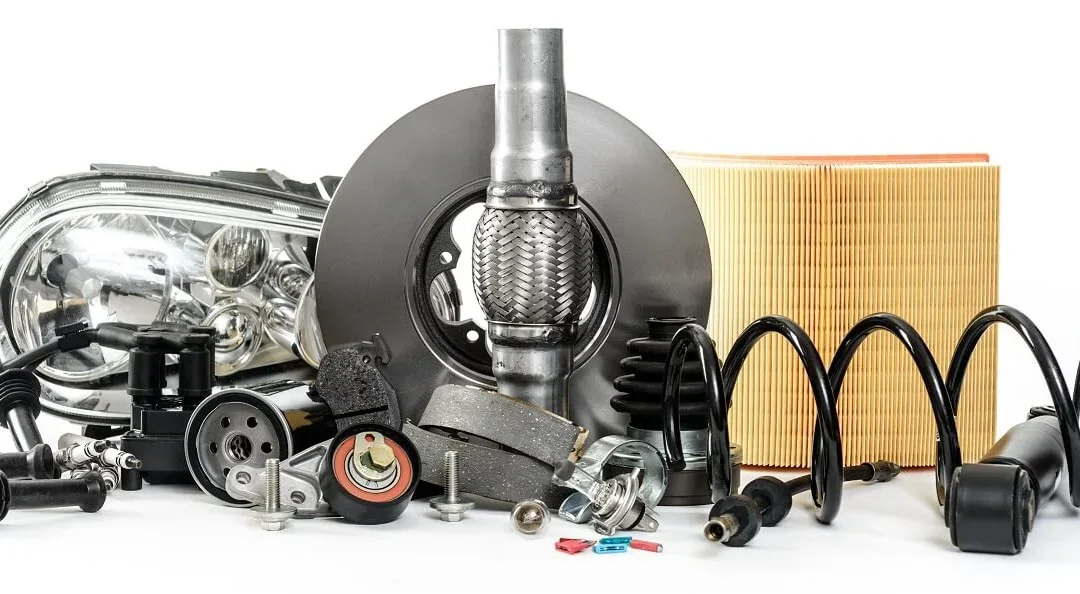
A Smarter Way to Maintain Your Audi or VW
Are OEM Parts Right for German Cars? Absolutely.
OEM parts can deliver the fit, performance, and system compatibility your Audi or Volkswagen was designed around—often without the genuine-branded price. Learn what to look for and where to find trusted parts online in Canada.

Know What You’re Buying
OEM vs. Genuine, Aftermarket, and Used Parts
OEM stands for original equipment manufacturer: a company that makes components supplied for a vehicle’s original production or service parts program. OEM Parts for German Cars are sold under that manufacturer’s name rather than the automaker’s badge. For an Audi or Volkswagen, that can mean buying a component from an original supplier without paying solely for Audi or VW packaging. Specifications can vary by model and application, so confirm the part number, vehicle fitment, and equipment details before ordering.
Genuine-branded parts are sold through the automaker’s parts network with its branding and specified packaging; in some cases, they come from the same supplier as an OEM-branded alternative. Aftermarket parts are made by companies outside the original supply arrangement and range from excellent upgrades to budget replacements with different materials or specifications. Used parts come from previously driven vehicles, making their condition and remaining service life harder to verify. For Canadian drivers sourcing Audi and VW parts online, Das Parts is a useful place to look for OEM options and compare fitment before making a choice.
Why OEM Parts Make Sense for Audi and VW
German vehicles depend on precise parts working together. Choosing an OEM component matched to your exact vehicle can help preserve the driving feel and dependable operation you expect.
01 — Precision
Fit Built Around Factory Specifications
02 — Driving Dynamics
Performance That Feels Familiar
03 — Long-Term Confidence
Reliability from Proven Suppliers
04 — Connected Systems
Compatibility with Vehicle Electronics
Factory-Matched Care for Your Audi
Why OEM Parts Make Sense for Audi Repairs
Audi vehicles are engineered as integrated systems, so the right replacement part must do more than look similar. OEM parts are made by manufacturers that supply automakers and are built to meet the relevant factory specifications. For maintenance items such as filters, ignition components, sensors and braking parts, that makes OEM a practical way to preserve the fit and performance your Audi was designed around. Fitment still depends on the exact model, model year, engine and sometimes the VIN or part number: an A4 and a Q5 may need different versions of a seemingly identical component. Checking those details before ordering helps avoid installation delays and repeat repairs. For drivers shopping in Canada, Das Parts offers an online source for Audi OEM parts and can help you narrow down options for your specific vehicle.

OEM Parts Keep Volkswagen Maintenance on Track

Comparing Repair Parts for Audi and Volkswagen
OEM Parts
Fit: Factory-spec fitment when matched by part number and vehicle details
Quality: Consistent with the automaker’s supplier specifications
Price: Often less than genuine-branded parts; warranty varies by seller
Best for: Reliable Audi and VW maintenance and repairs
Genuine-Branded Parts
Fit: Vehicle-specific when the correct automaker part number is selected
Quality: Supplied through the automaker’s branded parts channel
Price: Typically higher; check the stated parts warranty
Best for: Repairs requiring a specific branded component
Aftermarket or Used Parts
Fit: Aftermarket fit varies; used parts require exact compatibility checks
Quality: Aftermarket standards differ; used-part wear is often unknown
Price: May cost less, but warranty terms can be limited or seller-specific
Best for: Select Audi and VW repairs after careful condition and fitment checks
How to Find the Right OEM Part for Your Audi or VW
Step 1
Start with your vehicle’s year, model, engine, trim, and VIN. Audi and Volkswagen can use different components within the same model year, so precise vehicle details matter.
Step 2
Compare the original part number with the listing, including any revised or superseding numbers. Check fitment notes for engine codes, production dates, and equipment options.
Step 3
Before ordering, confirm the match with the seller or a qualified repair professional—especially for brakes, steering, and other safety-critical systems.
Frequently Asked Questions About OEM Parts
Get clear answers about quality, fitment, warranties, and cost before choosing parts for your Audi or Volkswagen.
Are OEM parts a good choice for Audi and Volkswagen vehicles?
Are OEM parts the same as genuine Audi or VW parts?
Will installing an OEM part void my vehicle warranty?
Should I use OEM parts for brakes and other safety-critical repairs?
Why do OEM parts sometimes cost less than dealership parts?
How do I choose the correct part for my Audi or VW?
German Car Parts in Canada and Online
Find the Right Fit with Das Parts


