
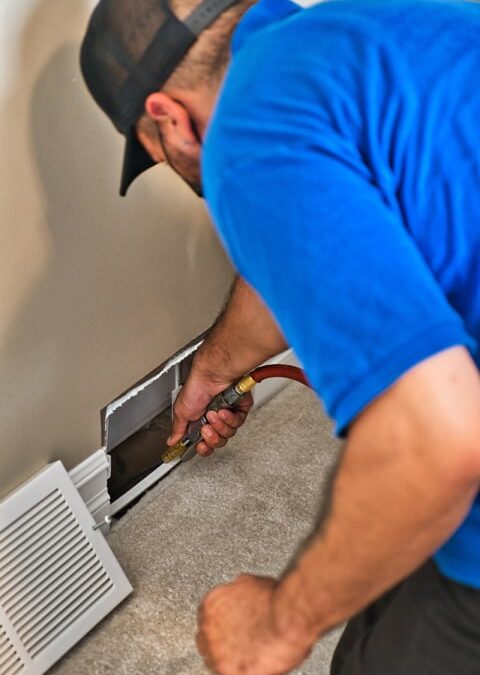
A Guide to Healthier Indoor Air
Why Regular Air Duct Cleaning Matters
Dust and debris can build up throughout your HVAC system. Learn what duct cleaning covers, when it may help, and how cleaner air pathways support a healthier indoor environment.
What Happens Inside Your Ductwork
Air duct cleaning removes accumulated dust and debris from supply and return ducts, registers, grilles, and other accessible HVAC components. As air moves through the system, particles from everyday activity, pets, renovations, and outdoor air can settle on interior surfaces. Over time, this buildup may be stirred up by airflow, making it worth understanding when a thorough cleaning is appropriate.
How Cleaner Ducts Can Support Indoor Air Quality

Less Recirculating Dust
Removing significant buildup from ductwork can reduce the dust available to move through vents and settle on indoor surfaces.

Fewer Trapped Allergens
Pet dander, pollen, and other allergens can collect in ducts. Cleaning contaminated areas may help limit their recirculation, though it does not replace filtration or routine housekeeping.

Attention to Hidden Contaminants
Visible mold growth, pest debris, or heavy deposits call for a closer look. Addressing the underlying cause and cleaning affected components can help protect indoor air quality.

How Cleaner Ducts Can Help Your HVAC System
When dust and debris accumulate inside ductwork, they can restrict airflow in affected areas and make it harder for heated or cooled air to reach certain rooms. Cleaning ducts with substantial buildup may help restore more consistent airflow and reduce avoidable strain on HVAC components. Keeping the system free of significant debris can also support equipment longevity as part of a broader maintenance plan. Results vary, however: air duct cleaning will not fix undersized equipment, leaky ducts, clogged filters, or mechanical faults. An inspection can help determine whether buildup is affecting your system and whether cleaning is the right next step.
Signs Your Ductwork May Need Attention
- Visible dust buildup inside supply registers
- Debris collecting around return grilles
- Dust reappearing soon after routine cleaning
- Particles blowing from vents when the system starts
- Uneven airflow between rooms
- Musty odors when heating or cooling runs
- Evidence of rodents or insects near duct openings
- Droppings or nesting material inside accessible ducts
- Water stains around vents or duct seams
- Condensation or damp insulation near ductwork
- Visible microbial growth requiring professional assessment
- Unexplained debris after a renovation
- Filters clogging unusually quickly
- Dust collecting inside the air handler cabinet
- Blocked or damaged vent covers
- Loose duct connections pulling in attic or crawl-space dust
- Recent pest activity in areas containing ductwork
- Persistent odors traced to a specific vent
What to Expect During Professional Duct Cleaning
1
1. Inspect and Prepare the System
2
2. Remove Debris From the Ductwork
3
3. Check the System After Service
Common Questions About Air Duct Cleaning
Cleaning needs vary by home. These answers can help you decide when to check your ductwork and what to ask before hiring a professional.
How often should air ducts be cleaned?
There is no universal cleaning schedule. Inspect ducts when you notice visible debris, persistent musty odors, or dust coming from supply vents. A professional can determine whether cleaning is warranted.
What factors can change when cleaning is needed?
Renovations, water damage, pest activity, heavy dust buildup, and the condition of your HVAC filters can all affect your ducts. Homes with pets or occupants with respiratory concerns may also benefit from a closer look at the system.
Is routine air duct cleaning always necessary?
No. If ducts are dry, free of visible contamination, and the system is operating normally, cleaning may not provide a clear benefit. Start with regular filter changes and HVAC maintenance, then investigate any specific concerns.
What signs call for a professional duct inspection?
Arrange an inspection if you see substantial debris inside ducts, notice dust blowing from vents, suspect pests, or find moisture or possible mold growth. An inspection helps identify the cause before work begins.
How do I choose a qualified air duct cleaning provider?
Ask about training, insurance, the cleaning methods used, and whether the entire HVAC system will be assessed. Request a written scope and estimate, and be wary of unusually low prices or claims that every home needs cleaning.
What should happen before a provider recommends cleaning?
A reputable provider should examine accessible components, explain any findings, and show you evidence of contamination where possible. They should also address moisture, filtration, or pest problems that could cause debris to return.