
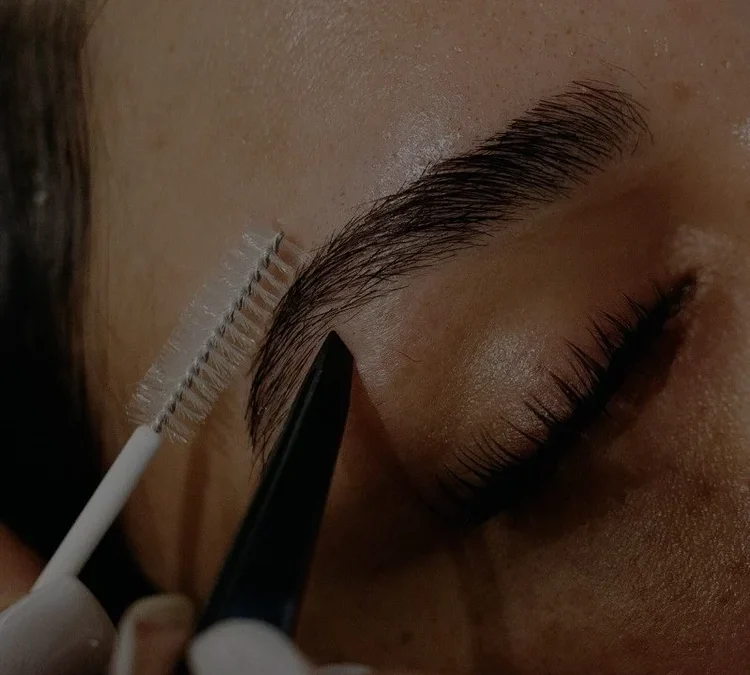
Brow Waxing Explained: Shape, Process, and How Long It Lasts
Discover how brow waxing removes stray hairs, creates a defined shape, and keeps brows looking tidy for weeks.
A clear look at the technique, results, and upkeep
Ready to Find Your Brow Shape?
Learn what to expect from waxing before deciding whether it suits your brows and skin.
A precise way to groom brows
Brow waxing applies a thin layer of wax around the desired brow outline and removes it with the unwanted hairs attached. Unlike tweezing, which pulls individual hairs, waxing clears several at once for a defined edge. Threading uses twisted cotton thread rather than wax, while trimming shortens long hairs without removing them from the root.
Three Ways Waxing Refines Your Brows
Creates a Defined Shape
Removing hairs outside the chosen outline helps refine the arch, tail, and overall balance of each brow without changing the hairs left in place.
Clears Stray Hairs
Wax lifts clusters of unwanted hair from the root, including fine hairs between and beneath the brows, for a tidier finish than trimming alone.
Opens Up the Brow Area
A cleaner border can make the eyes appear more open and the surrounding skin look smoother, though temporary redness may follow treatment.
From First Look to Finished Brows
How Brow Waxing Works
1
Consult and Prepare
Your brow specialist discusses your preferred shape, checks your skin, and maps a balanced outline. The area is then cleansed and dried so the wax can grip unwanted hair.
2
Wax and Refine
Warm wax is applied in small, controlled sections around the brows and removed with the hair. Tweezers may catch individual strays for a cleaner finish.
3
Soothe and Protect
A calming product helps settle the skin. Expect a little temporary redness, and avoid rubbing the area, heavy makeup, and excess heat for about 24 hours.
Shape Starts with What You Have
Where Brow Wax Goes—and Where It Doesn't
Brow waxing usually removes stray hairs between the brows, beneath the arches, and sometimes above the brow line. A professional works around the natural brow rather than stripping it into a preset shape. They consider your existing fullness, hair growth, arch position, and facial features before deciding what to remove. Fuller, straighter brows may need only light cleanup, while uneven growth may call for careful shaping to create a more balanced look. The goal is definition that still looks like your brows.

Arrive with a Little Growth
Let stray hairs grow long enough for wax to catch them, and skip plucking beforehand. Tell your specialist about sensitive skin, recent peels, or retinoid use, which may affect whether waxing is appropriate.
Agree on the Outline
Before any hair is removed, share your shape preferences. Your specialist can show you the planned brow boundaries and explain how much cleanup your natural growth allows.
Expect Brief, Precise Removal
The skin is prepared, then wax is applied to small areas and removed quickly. You may feel a short sting; remaining stray hairs can be tweezed for detail.
Give Skin Time to Settle
Mild redness or tenderness can follow. Keep the area clean, avoid exfoliants and hot environments for about 24 hours, and plan for a touch-up when regrowth becomes noticeable, often in three to six weeks.
Brow Waxing vs. Threading, Tweezing & Trimming
Brow Waxing
Technique: Warm wax lifts multiple hairs from the root in one pass.
Precision: Creates a clean outline quickly; tweezers can refine stray hairs.
Best for: Shaping brows with noticeable growth around the desired arch.
Skin considerations: May irritate sensitive skin and is unsuitable with some skincare products.
Upkeep: Results commonly stay tidy for about three to six weeks.
Threading, Tweezing & Trimming
Threading: Twisted thread removes rows of hair from the root without wax.
Tweezing: Plucks individual hairs for precise touch-ups, but takes longer.
Trimming: Snips long hairs for a neater look without removing roots.
Best fit: Threading suits wax-avoidant clients; tweezing and trimming suit small adjustments.
Upkeep: Threaded and tweezed hairs regrow over weeks; trimmed hairs show sooner.
How Long Does Brow Waxing Last?
Most brows stay noticeably shaped for about three to six weeks. Regrowth varies with your hair cycle, genetics, age, hormones, and whether hairs were removed from the root or broke during waxing.
Day 0
Freshly Shaped Brows
Wax removes visible hair from the root, leaving a defined shape. Mild redness can appear immediately afterward and usually settles.
Days 1–3
Skin Calms Down
The brow area typically feels more comfortable as any temporary sensitivity fades. Avoid picking at the skin while it recovers.
Week 1
Shape Stays Defined
Many people see little visible regrowth, although hairs in a different growth phase may begin to emerge sooner.
Weeks 2–3
Fine Hairs May Return
Early regrowth can appear around the outline. Hormonal changes and individual growth rates influence how quickly it becomes noticeable.
Weeks 3–4
Time to Assess Your Shape
For faster-growing brows, stray hairs may make a touch-up worthwhile; slower-growing brows may still look tidy.
Weeks 4–6
Typical Rebooking Window
Many people schedule their next wax in this period, once enough hair has grown for effective removal.
Brow Waxing FAQs
Get practical answers about comfort, aftercare, timing, and whether waxing is right for your skin.
Does brow waxing hurt?
You may feel a brief sting as the wax is removed. Discomfort varies by person and usually passes quickly; tell your brow specialist if you need a pause.
Can I wax my brows if I have sensitive skin?
Possibly, but sensitive skin may react with redness or irritation. Share your skin history and current products beforehand so your brow specialist can assess whether another method is preferable.
How often should I get my brows waxed?
Many people return every three to six weeks, depending on regrowth and their preferred shape. Wait until there is enough hair for the wax to grip.
What results should I expect after one appointment?
Expect a cleaner brow outline and fewer stray hairs. Your natural hair density and growth pattern determine the final shape; waxing cannot fill sparse areas.
When should I avoid brow waxing?
Skip waxing over sunburned, broken, or irritated skin. Certain retinoids, acne treatments, and recent skin procedures can increase the risk of skin lifting; check with a qualified professional before booking.